What Happened
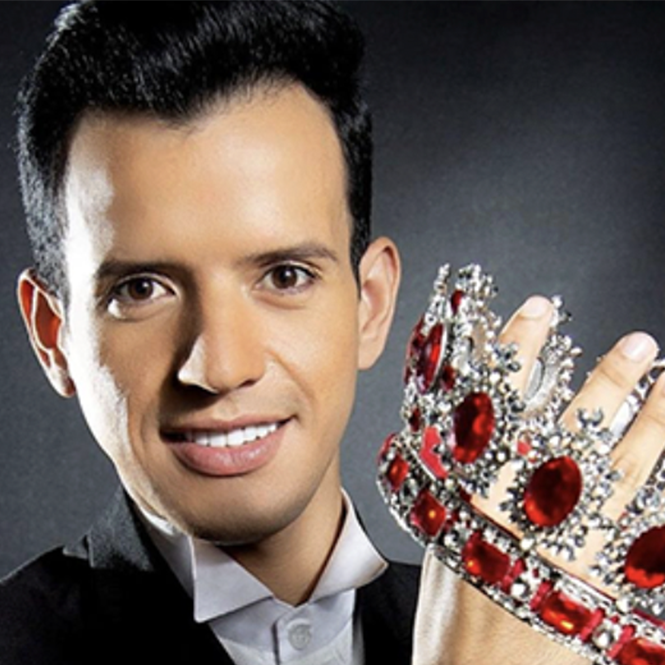
Hernández Romero fled Venezuela in 2024 over persecution tied to his sexual orientation and political views, entering the U.S. legally through a CBP One appointment and passing an initial screening for asylum. While his case was still pending, on March 15, 2025, the Trump administration invoked the Alien Enemies Act — an 18th-century wartime law — to deport him and more than 250 other Venezuelan men to El Salvador’s CECOT mega-prison, without a hearing. A CoreCivic contractor had flagged him as a gang member based on his tattoos, including a crown inked above his parents’ names; his attorneys say he has no criminal record in either country and was never allowed to contest the accusation in court.
A Time photojournalist documented his arrival at CECOT that night, capturing an image of him telling guards, fearfully, that he wasn’t a gang member. He was held incommunicado for the next four months, cut off from his family and lawyers. On May 27, 2025, an immigration judge dismissed his still-pending asylum case at the government’s request, a day before it was set to be heard. Members of Congress wrote to the State Department demanding a wellness check; that May, DHS Secretary Kristi Noem, questioned before Congress, declined to commit to even letting his mother know he was alive.
“I’m not a gang member. I’m gay. I’m a barber.”Andry José Hernández RomeroTo guards on his first night in CECOT
He was released in July 2025 after 125 days, and later described being beaten on arrival and sexually assaulted by a guard while in custody.